
Nail Care Guide
I Thought It Was Just a Minor Toenail Change — Until It Never Went Back to Normal
What looks like a small cosmetic change at first may actually explain why basic care often stops working over time.
By Editorial Team • Updated March 2026 • 5 min read
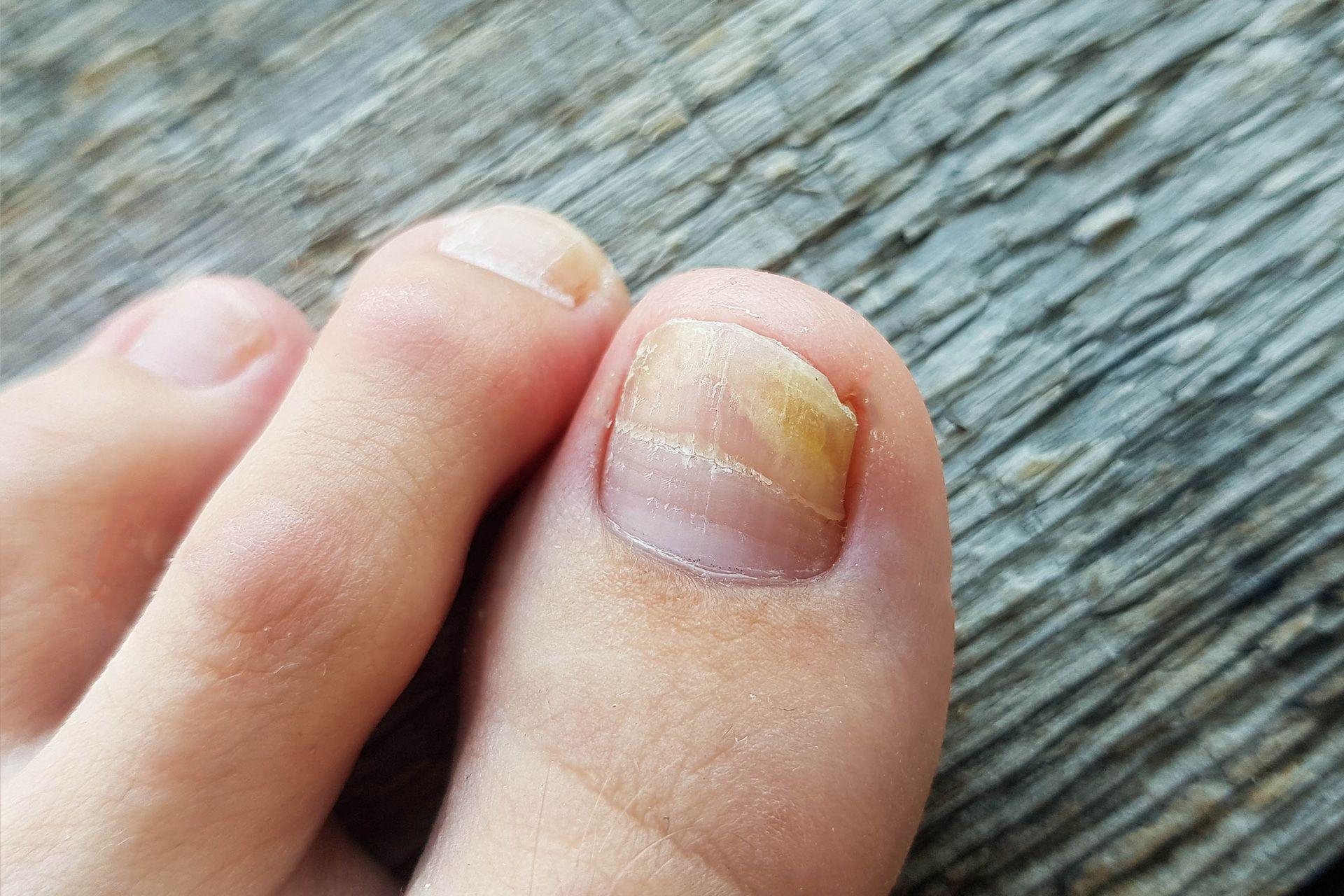
At first, it didn’t seem serious. Just a slight change in one toenail — a bit more yellow, a little thicker, maybe not as smooth as before.
Easy to ignore, especially when there’s no pain or urgency attached to it.
Over time, what once seemed minor becomes more noticeable. The color shifts slightly more, the texture changes, and at some point, it becomes clear that it’s not correcting itself.
That’s usually when people start asking a different question:
“Why isn’t this going back to normal?”
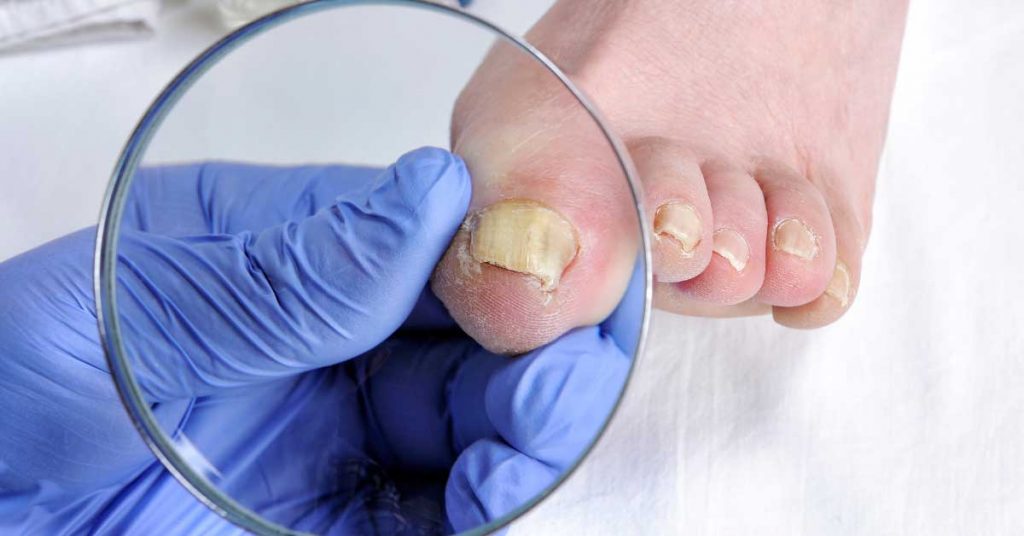
In many cases, people try to fix it the obvious way — better hygiene, more care, switching products, trying to improve the appearance from the outside.
But what often happens is a repeating pattern:
- It improves slightly
- Looks better for a short time
- Then returns to the same condition
That cycle is what leads many to realize the issue may not be purely cosmetic.
Research into toenail changes frequently points to one recurring factor:
fungal-related changes developing in warm, enclosed environments.
Closed shoes, moisture, lack of airflow — all of these create the exact conditions where these changes can develop gradually.
That realization is what pushes many people to stop looking for surface-level fixes and start considering something more complete.

One approach that has been gaining attention focuses on supporting nail health from a different angle — rather than just improving how it looks temporarily.
What stands out is not just the product itself, but the reasoning behind it:
instead of covering the issue, it aims to support the conditions that influence nail appearance over time.
For many readers, that shift in logic is what makes the difference.
Instead of repeating short-term improvements, they begin looking for a way to break the cycle entirely.
This doesn’t mean every case is the same. But when the pattern becomes consistent — when the nail doesn’t return to how it used to look — it’s usually a sign that a different approach is worth considering.
If you’ve been noticing ongoing changes and basic care hasn’t been enough, this is the point where many readers decide to explore something more targeted.
The full presentation explains how this approach works and why it’s being considered as a next step.
View the Full Details →Editorial Note: This article is for informational purposes only and does not provide medical advice, diagnosis, or treatment.